
Find Out How Your Organizational Environment Is About to Change
-Before It Hits You
Most strategies fail because you developed them to change isolated issues. I map how one change reshapes everything — and what that means for your strategies.
Risks of Myopia in Strategy
If you're developing strategies while your environment is shifting in ways you cannot fully see, you risk making the right decision for the wrong system. And your strategy will at best yield suboptimal results.
Many domains influence your organization's environment. Think about these three examples:
- New technologies are emerging, but it’s unclear which format will win. Will it be ChatGPT, Claude, or some other app? Will it be hydrogen, biomethane, or some other energy source? Can you switch to the winner, or are you locked in?
- Policy changes ripple across sectors. NATO countries are increasing national defense spending. Where do they get the budget? Are you in the domain that gets cut?
- Talent development and transitions do not operate at the same speed. Are you training talents in the skills you need for new technologies and green transitions, or will you be forced to pay premiums or wait?
Local issues often signal a larger system shift. If you don't consider the system, your initiative might fail. Take a look at the Northvolt example of how this works.
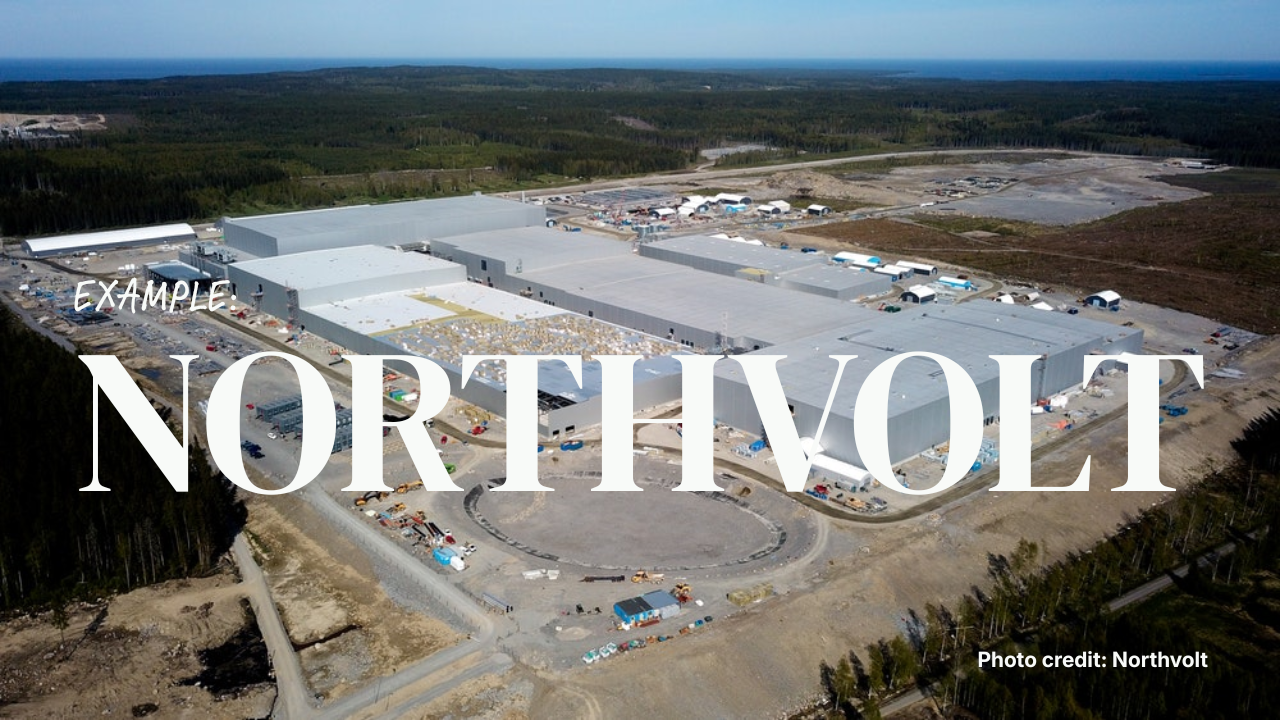
Example Case: NorthVolt
Northvolt aimed to reduce Europe's dependence on Asian battery producers and received billions in investment and political support. But building factories turned out to be only one part of a much larger system involving supply chains, energy markets, industrial know-how, geopolitics, labor, regulation, and shifting capital markets.
Northvolt scaled faster than the ecosystem around it could support, and its battery initiative failed.
(Source: Financial Times, 22 May 2025)
If you suspect something(s) in your organization's environment is missing from your analysis, let me have a go.
Find Out If *Instability* Might Be Missing
Previous Research Projects:
Global Uncertainty Effects on Local Consumer Behaviors
Completed 2026
- Causal Loop across interconnected domains
- Better understanding of current consumers' behavior shifts
- Repositioning of USP's
- Three new viable strategic approaches
Result: Marketing campaigns repositioned, and a company academy initiated to help staff adjust.

Navigating the Green Steel Transition (IJmond)
Completed in 2025
- 47 System effects identified
- Across 8 interconnected domains
- All are already visible in the region
- Translated into strategic actions for companies and policymakers
Result: Stakeholders intensified collaborations to strengthen the IJmond industrial transition.

Quantum Technology Strategy (QuTech)
Completed in 2024
- Deep uncertainty mapped across technologies, markets, and ecosystems
- Strategic options defined under competing future scenarios
- Organizational implications made explicit
Result: Strategic repositioning of the Institute applying study outcomes.
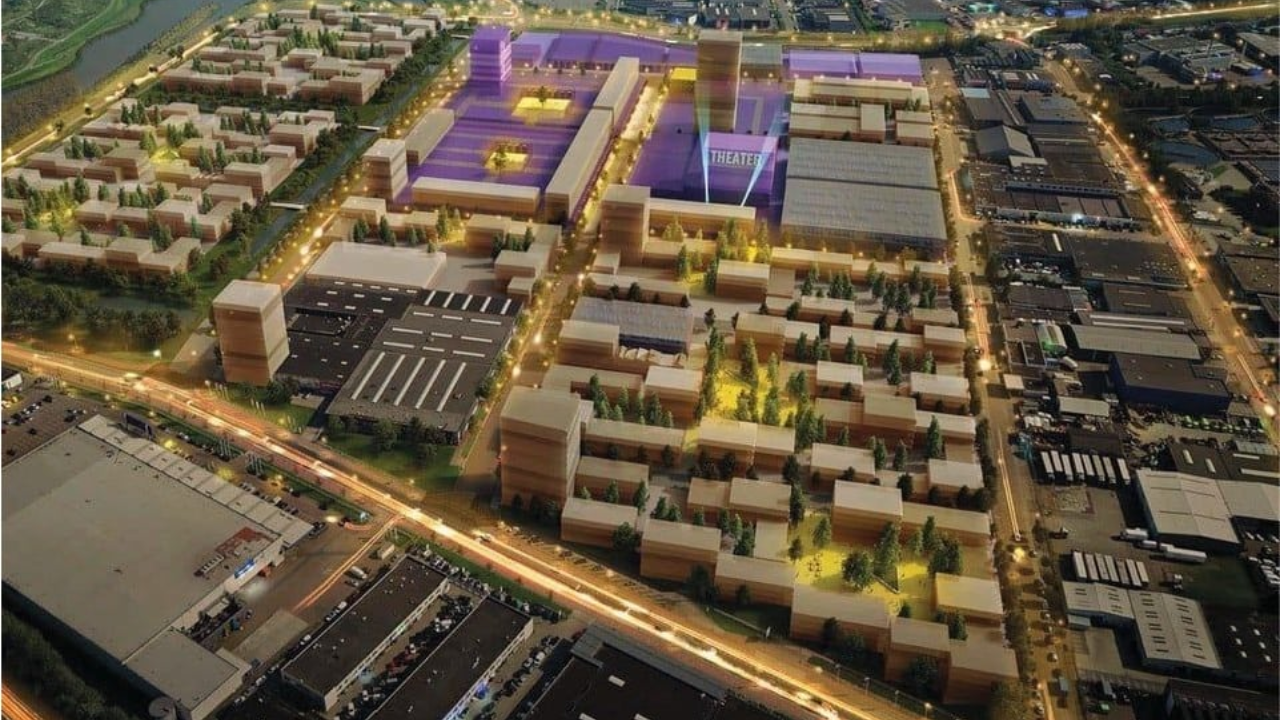
Long-Term Population and Urban Futures (Bazaarstad)
Completed in 2022
- Demographic shifts translated into housing demand and regional positioning
- Migration, household formation, and labor markets are connected into one system
Result: Development strategy for a new urban concept adjusted to emerging housing needs.
Who Is This For?
It's for you if your witnessing a transformation in your environment and your leading:
- a regional entrepreneurial network
- an industry cluster or branche organization
- a public or scientific institution
- a company or its strategy team in a complex environment
When Do You Need It?
You'll benefit most when your situation has one or more of these characteristics:
- When facing a major technological or societal transition and you wonder how it will affect your organization
- When planning to make long-term investments but you're not sure about how demand will change
- When your strategic decisions depend on an unmanageable set of mutually interdependent actors, but circumstances demand action
- When stakes are so high that you cannot afford to be wrong about what is changing
